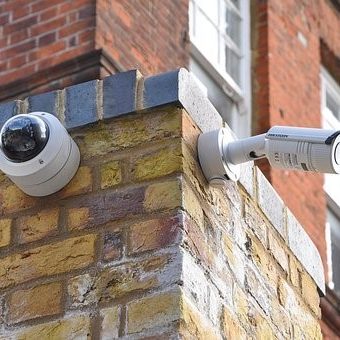
While there are some excellent companies designing, installing and maintaining CCTV systems within the UK the overall standard of installation and customer service of the industry is illustrated by two facts:
- The Association of Chief Police Officers has stated that 80% of the pictures that they receive in evidence are not fit for purpose.
- Initial research indicates that 90% of camera systems are illegal as they fail to fully comply with the Data Protection Act which is the main legislation governing the use of CCTV in the United Kingdom.
If a CCTV system fails to comply with BS 62676-4 there is a real possibility that the images produced may not be usable in a court of law. It is therefore essential that, amongst other things, the correct Observation Category is defined according to the British Standard. In our discussions with installation companies and their staff we would estimate that 80%+ of those designing CCTV systems have no working knowledge of these standards. It is an indictment of our industry that it is not unusual to discover system designers who are unaware of the existence of this the basic foundation of CCTV design. To compare such a designer to a driving instruction who has never heard of “The Highway Code” is not an exaggeration.
The Data Protection Act provides the main legal framework for CCTV systems in the UK yet most customers receive little, or no, assistance from their installation companies to ensure that their system is legally compliant. While non-compliance may involve substantial fines or civil damages, it may also render images from their systems invalid in a court of law.
The above illustrates that the majority of installation companies are selling CCTV as a commodity rather than providing their customers with systems that are fit for purpose. In such circumstances the outcome is often a high level of profit for the installer while the customer is left with a system which, as well as being illegal, may be of little use when problems arise.
Very few organisations have the expertise to evaluate the CCTV system they are being sold. It is for this reason that local government, the NHS and other large system purchasers will frequently employ an independent consultant to both design the system and ensure that it is installed to a high standard. Such proficiency comes at a price and most organisations do not have the budget to pay the hundreds of pounds per day that this expertise incurs.
It is our belief that the above situation will remain until regulatory standards are applied across the industry along with heavy penalties for installation companies that fail to design systems that meet both the customer’s needs and to comply with the British Standard. Only when CCTV regulatory standards are enforced, as well as legislated, will the industry cease to focus on its profit margin and to meet its customer’s needs.
Although the CCTV landscape presents a somewhat bleak picture it should not be forgotten that, as was said at the beginning, there are some excellent companies out there. The difficulty for the average CCTV user is how to sort the wheat from the chaff unless he has expert knowledge, or a large enough budget to employ a consultant.
Continue to: Why the Present Method of Purchasing CCTV Fails the Customer